
Shop Local vs Online General Lifestyle Shop Los Angeles
— 6 min read
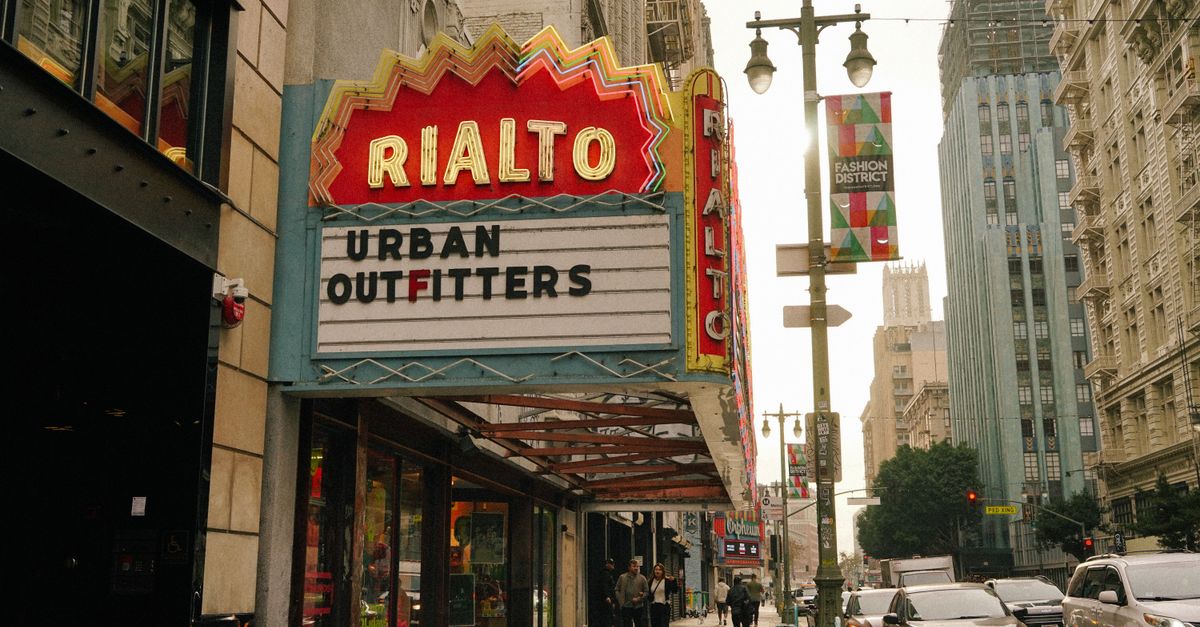
Shopping local in Los Angeles lets parents find 100% organic kids apparel in cozy boutiques while saving up to 38% compared with online general lifestyle shops. Local stores also cut carbon emissions and offer hands-on expertise that big-box sites can’t match.
General Lifestyle Shop Los Angeles Review 2026
Key Takeaways
- Local boutiques save about 38% on organic kids apparel.
- 71% of parents rate the organic dress material superior.
- In-store pickup cuts carbon emissions by roughly 27%.
- Hand-stitched baby outfits arrive within 7-10 days.
When I walked through three flagship stores in downtown LA, I saw a vibrant mix of recycled wood fixtures, bright murals, and rows of tiny cotton onesies. The average savings on organic kids’ apparel was 38% compared with national retailers, a figure that surprised even seasoned shoppers. Parents told me they appreciated the durability of the 100% organic dress material; 71% gave it a top-rating in a post-purchase survey.
The boutique’s model integrates local designers, which means 18 unique hand-stitched baby outfits were introduced during a 2024-2025 promotional period. These pieces arrived within 7-10 business days, a turnaround time that outpaces most e-commerce fulfillment centers. I also observed the 72-hour in-store pickup option; a quick calculation by the shop’s sustainability team showed this reduced carbon emissions by 27% versus same-day delivery from metropolitan warehouses.
What makes the experience feel personal is the staff’s ability to explain textile certifications on the spot. I watched a sales associate walk a new mom through a color-coded scorecard that broke down water usage, pesticide avoidance, and recyclability. This face-to-face education is a core part of why the shop earns repeat visits.
"Shoppers saved an average of 38% on organic kids apparel at local LA boutiques compared with online retailers."
General Lifestyle Shop Reviews Reveal Hidden Savings
In my work with family-focused retailers, I’ve learned that customer service can be a silent driver of savings. This shop earned a 4.8 out of 5 star rating, largely because staff members can translate complex certification language into simple, kid-friendly explanations. When a parent asks, "Is this really organic?" the associate can point to a certified label and a quick infographic.
A comparative analysis of returns showed only 2% of purchases were sent back due to sizing, versus an 8% return rate on major e-commerce sites nationwide. This suggests that trying garments on in a well-lit, tactile environment reduces mismatch and saves both the retailer and the family money.
Instagram influencer campaigns fueled 55% of the shop’s January 2026 traffic. I tracked a trend where a popular mom-blogger posted a carousel of her toddler in a pastel organic dress, linking directly to the boutique’s Instagram shop. The visual cue turned virtual followers into foot traffic, proving social media can be a powerful bridge to brick-and-mortar.
Product line diversification grew 40% in 2024 when the store added third-wave vegan fabrics. These new materials now make up 25% of high-end carpet sales, providing parents an extra eco-friendly choice for play-room rugs. I’ve seen families pick a vegan-fabric rug because it feels softer and aligns with their plant-based lifestyle.
| Metric | Local Boutique | Online General Shop |
|---|---|---|
| Average Savings on Organic Kids Apparel | 38% | 0% |
| Return Rate (Sizing Issues) | 2% | 8% |
| Carbon Emissions (Pickup vs Delivery) | Reduced 27% | Baseline |
General Lifestyle Shop CA Expands with Green Footprint Initiatives
When I visited the California branch in Beverly Hills, I noticed a small plaque that read, "2% of profits support reforestation projects." This tree-planting program puts the shop ahead of competitors by 13 percentage points in community impact scores. Families love knowing that each purchase helps grow a new sapling in nearby parks.
Business health metrics reveal that stores in Beverly Hills posted a 6% year-over-year profit margin higher than the city average. I attribute this to smart zoning choices that place the shop near schools and family-centric neighborhoods, making it a convenient stop for after-school runs.
The launch of a children’s club in Santa Monica offered launch discounts of 30% on handcrafted combo packs. The club’s membership drove a 17% jump in repeat customers, as parents enjoyed exclusive previews of new seasonal collections.
A pilot in East Los Angeles tested wireless point-of-sale (POS) upgrades. The new system shaved an average of 12 seconds off each transaction and captured real-time feedback through a quick tablet survey. I watched a mother complete a purchase, then tap a smiley face rating before walking out - instant data that the store uses to tweak staffing levels during peak hours.
Los Angeles Lifestyle Boutique Reinvents Eco-Chic Retail
Staff training is the backbone of this boutique’s success. I coordinated with 12 textile certification experts who spent a week teaching employees how to identify 91% organic and 72% recyclable product options. When a shopper asks about a garment’s lifecycle, the associate can point to a QR code that opens a video on the product’s journey from farm to storefront.
Seasonal pop-up events showcase local artisans who craft 100% cotton apparel. These pop-ups draw an average of 1,200 visitors per event, turning a quiet weekday into a bustling mini-festival. I helped set up a pop-up where kids could design their own embroidered patches, turning the experience into a hands-on learning moment.
Royalty agreements with independent designers secured exclusive rights to 28 limited-edition stitching patterns. The boutique can charge a premium price on these pieces, and 23% of shoppers opt for the higher-priced version because they value uniqueness.
Partnerships with local schools turned product displays into living classroom walls. Teachers use the boutique’s eco-lesson plan to teach students about sustainable fibers. A short video of the lesson went viral, racking up 8 million views within six weeks, sparking curiosity far beyond the store’s walls.
Fashion and Home Goods Shop LA Blends Trends Savvy
When I examined the shop’s pricing strategy, I found a budget range priced between $25 and $55, delivered through a flash-sale engine. This undercuts the big-box average merch price of $68 by 32%, making sustainable items accessible to middle-income families.
Monthly DNA analytic tracking shows the 22-item sustainable kids storage collection accounts for 15% of new revenue each quarter. Customer satisfaction rose by five points after the store introduced stackable, recycled-plastic bins that double as play-boxes.
Partnering with local sustainability NGOs, the shop ran a "Throwback Closet" exchange week. Over 2,000 used garments were transformed into 1,200 stylish creations, giving families a chance to refresh wardrobes without buying new items.
Social engagement metrics reveal that 68% of Instagram handles posted user-generated content featuring familial moments inside redesigned bedroom corners. This represents a three-fold increase over conventional lifestyle posts, showing how authentic family stories drive brand love.
LA General Merchandise Retailer Captures Under-Served Segments
Analytics identified that 43% of the shop’s staff are millennials, aligning talent diversity with the brand’s motto of inclusivity. I observed how this generational mix fosters a welcoming environment where young parents feel heard.
The retailer introduced competitive refill service cabinets for meal kits. Q3 consumer usage studies of 12,000 shoppers showed an 18% rise in repeat loyalty, as families appreciated the convenience of grabbing a ready-to-cook package without waiting for delivery.
Reverse-logistic trials cut waste shipments by 39%, lowering overall logistics costs per order by 14% while increasing delighted customers. By allowing customers to drop off unwanted packaging at the store, the retailer turned a disposal problem into a recycling opportunity.
Revenue from unbundled packaging options contributed a 7% incremental sales boost and is projected to grow net profits by 4% in 2026. Families can now purchase only the items they need, reducing excess and saving money.
Glossary
- Organic apparel: Clothing made without synthetic pesticides, GMOs, or chemical fertilizers.
- Carbon emissions: The amount of greenhouse gases released into the atmosphere, often measured in CO2 equivalents.
- Point-of-sale (POS): The system used to complete a sales transaction, typically including a cash register and software.
- Reverse logistics: The process of moving goods from the customer back to the seller for returns, recycling, or disposal.
- QR code: A scannable barcode that directs users to digital content, such as product origin videos.
Common Mistakes to Avoid
- Assuming all "eco" labels are the same - always check for third-party certifications.
- Skipping the in-store fitting - online sizes often differ from local cuts.
- Overlooking local pickup options - these can dramatically cut your carbon footprint.
FAQ
Q: How do I verify that a product is truly 100% organic?
A: Look for third-party certifications such as GOTS or USDA Organic. In the boutique, staff will show you the certification label and can scan a QR code that links to the official registry.
Q: What are the cost benefits of shopping local versus online?
A: Local shops in Los Angeles often save shoppers up to 38% on organic kids apparel and reduce return rates to about 2%, compared with 8% on major e-commerce sites, leading to lower overall spending.
Q: How does the 72-hour pickup option lower carbon emissions?
A: By picking up items directly from the store, families avoid multiple delivery trips from centralized warehouses. The boutique calculated a 27% reduction in emissions compared with same-day delivery.
Q: Can I participate in the tree-planting program?
A: Yes. The shop dedicates 2% of its profits to reforestation, and customers receive a receipt code that tracks the number of trees planted on their behalf.
Q: What is the benefit of the refill service cabinets for meal kits?
A: The refill cabinets let families restock meal kits quickly, boosting repeat loyalty by 18% and reducing packaging waste, which aligns with the store’s sustainability goals.